

Living in Tokyo as a foreigner is one of those experiences that sounds overwhelming in planning and turns out to be surprisingly manageable in practice — once you understand how the city actually works. The train lines make sense after a week. The convenience stores become a genuine comfort. The paperwork, however, has a way of arriving in waves, and the first month is the heaviest.
This guide covers the practical setup: what Tokyo costs, how to find housing, how to open a bank account, how to get around, and where a personal seal — a hanko — fits into the process. It is written for people who are either on their way to Tokyo or have just arrived and are working through the initial admin stack.
Tokyo is not a difficult city to live in as a foreigner. It is a city that rewards preparation. The residents who settle in smoothly are usually the ones who knew what to expect before they got there. The ones who hit friction are usually surprised by the gap between how modern Tokyo looks and how traditional some of its administrative processes remain.
By the end of this guide you will have a clear picture of what to budget, what to do first, what to do before your first bank visit, and why a small personalised stamp is worth having before your first week is over.
City Overview and Costs
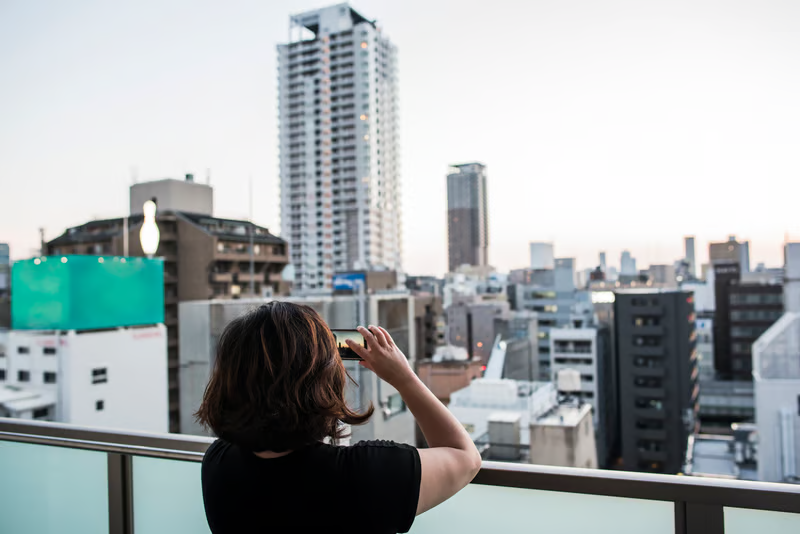
Tokyo is one of the world’s most expensive cities by reputation and one of its most liveable by experience — partly because the cost is distributed in ways that reward people who pay attention. Public transport is excellent and relatively affordable. Food ranges from cheap to extraordinary. Housing is where the real cost lands, and understanding it early saves significant stress.
Monthly cost benchmarks for a single person:
Rent is the largest variable. A single room in a share house in central areas — Shinjuku, Shibuya, Nakameguro — runs roughly ¥60,000 to ¥90,000 per month including utilities. A private studio apartment (1K or 1DK) in the same areas starts around ¥80,000 and climbs quickly. Moving one or two train stops away from major hubs drops prices noticeably. Areas like Koenji, Shimokitazawa, Kita-Senju, and Sangenjaya offer genuine character alongside lower rents.
Food costs depend almost entirely on how much you use convenience stores and supermarkets versus restaurants. A breakfast-to-dinner budget using kombini and supermarket staples can sit comfortably around ¥30,000 to ¥40,000 per month. Eating out regularly doubles or triples that number, though lunch sets at local restaurants remain remarkably affordable — ¥800 to ¥1,200 for a full meal is standard in most neighbourhoods.
Transport within Tokyo on an IC card (Suica or Pasmo) typically costs ¥10,000 to ¥15,000 monthly depending on commute distance. Monthly commuter passes, purchased through your employer or directly at station machines, reduce this for fixed routes.
Rough monthly budget for a single working adult in Tokyo:
- Rent (share house, central): ¥70,000–¥90,000
- Food: ¥35,000–¥50,000
- Transport: ¥10,000–¥15,000
- Phone: ¥2,000–¥4,000 (SIM-only plan)
- Utilities (if not included): ¥8,000–¥15,000
- Miscellaneous: ¥15,000–¥25,000
Total: roughly ¥140,000–¥200,000 per month, before savings and discretionary spending. Tokyo salaries for full-time English-language roles vary widely, but this baseline gives you a working target.
Housing Setup
Finding housing in Tokyo as a foreigner used to be significantly harder than it is now. Landlord reluctance toward foreign tenants has not disappeared entirely, but the market has shifted, and there are now clear, reliable paths into decent accommodation.
Share houses are the fastest and most accessible entry point. Operators like Sakura House, Tokyo Share House, and dozens of independent operators run properties across central and mid-ring Tokyo with streamlined application processes designed for foreigners. Contracts are typically shorter, deposits are lower, and the onboarding process is often available in English. For the first three to six months in Tokyo, a share house gives you time to learn which neighbourhoods suit you before committing to a private lease.
Private apartments require more preparation. The standard rental process in Japan involves an initial deposit (敷金, shikikin) of one to two months’ rent, a key money payment (礼金, reikin) of zero to two months in many cases, a guarantor or guarantor company fee, and the first month’s rent — all due before you get the keys. The total upfront cost for a private rental in Tokyo can easily reach ¥300,000 to ¥500,000 depending on the unit. Budget for this before you start viewing apartments.
Documents typically required for a private lease:
- Passport and residence card
- Proof of income or employment contract
- Guarantor information or guarantor company arrangement
- Hanko (the lease agreement will include stamp fields throughout)
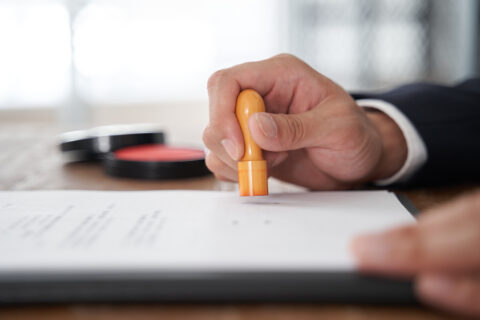
The lease itself — often four to six pages of densely written Japanese — will have a stamp box at the bottom of most pages. The real estate agent will walk you through it, but the expectation is that you stamp each field as you go. Having your hanko ready before the appointment means the session proceeds cleanly. Showing up without one can delay the contract execution while the agent figures out whether a signature is acceptable to the landlord.
Common mistakes in Tokyo housing setup:
- Underestimating upfront costs for private rentals.
- Signing a lease before confirming what utilities are and are not included.
- Choosing a neighbourhood based on central location alone without factoring in what the area is actually like to live in day to day.
- Arriving without a hanko and having to delay a lease signing.
Banking and Salary
Opening a bank account in Tokyo is a practical necessity. Most employers pay by bank transfer, and managing daily expenses in cash alone is unnecessarily cumbersome for anything beyond small purchases.
Japan Post Bank (ゆうちょ銀行) remains a common recommendation for newcomers. It has branches and ATMs at post offices across the city, accepts foreign customers relatively early in their stay, and offers basic account functions that cover wage deposits and everyday transactions. Some branches still require a hanko alongside your residence card for account opening. This requirement has been relaxing in recent years, but it varies by branch — checking ahead saves a wasted trip.
SMBC, MUFG, and Mizuho are the three main city banks with strong ATM networks and mobile banking apps. They tend to require a longer residence history (three to six months at the same address is sometimes required before they will accept an application), which makes them better suited as a second account once you are more settled. Newer digital-first options like Sony Bank and some fintech services have lighter requirements and English interfaces, though their utility depends on what your employer accepts for wage transfers.
Steps for opening a bank account in Tokyo:
- Register your address at your local ward office first — you need a residence card with your current Tokyo address.
- Gather your passport, residence card, and hanko.
- Visit the branch in person, ideally on a weekday morning when it is less busy.
- Complete the application form — staff at major branches in central Tokyo can often assist in basic English.
- Receive your cash card by post within five to ten business days.
If you are aiming to work in Tokyo, check ComfysCareer for openings that match your language level.
Phone plans fit naturally into this section because getting a SIM card often requires a bank account for the monthly direct debit, and the two setups tend to happen in the same early-week window. SIM-only plans from MVNO providers like IIJmio, Mineo, and Rakuten Mobile offer reliable data and calls from around ¥2,000 to ¥3,000 per month. Major carrier plans (Docomo, au, SoftBank) cost significantly more and offer little extra for most foreigners’ needs. An English-language MVNO application can be completed online once you have a Japanese bank account and address.
Commuting Basics
Tokyo’s train network is genuinely one of the best in the world for reliability and coverage, and it covers the city comprehensively enough that owning a vehicle is unnecessary for most residents.
IC cards — Suica (issued by JR East) and Pasmo (issued by private railway operators) — are the practical foundation of daily commuting. Both work across JR lines, Tokyo Metro, Toei Subway, buses, and most private railways. They also function as payment at convenience stores, vending machines, and many shops. Load one at any station machine with cash. Suica can be added to Apple Pay and some Android wallets, which makes it even more convenient if you prefer not to carry a physical card.
Commuter passes (定期券) are worth purchasing once your commute route is fixed. They cover unlimited travel between two points on a chosen line for one, three, or six months, and are significantly cheaper than paying per ride over the same period. Some employers cover commuter pass costs as part of the employment package — confirm this during onboarding.
Navigating the network is easier than it looks on the map. Google Maps handles Tokyo train routing accurately and in English. The HyperDia app is preferred by many longer-term residents for precise timetable information, particularly for longer cross-city journeys. Within Tokyo proper, most destinations are reachable within forty-five minutes from central areas.
One practical note: rush hour on major lines — particularly the Chuo, Yamanote, Tozai, and Hibiya lines — between 7:30 and 9:00am is genuinely intense. If your schedule has any flexibility, shifting your departure by thirty minutes makes a meaningful difference.
Where Hanko Fits In
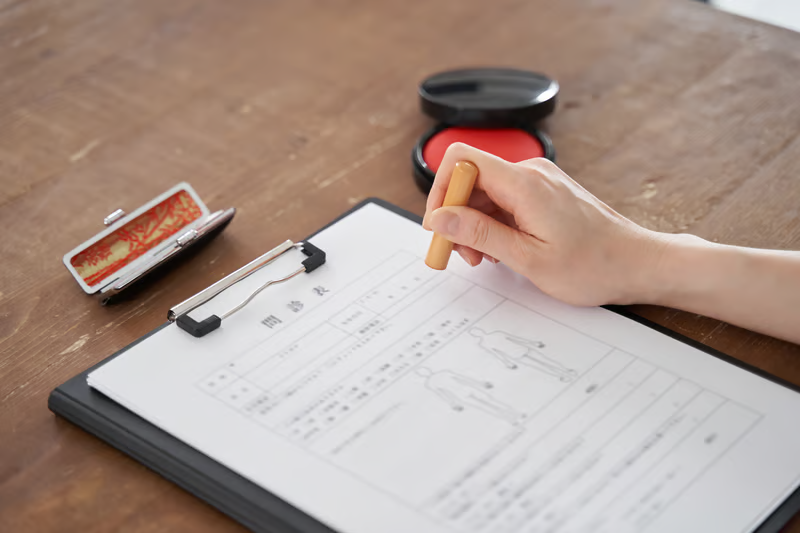
A hanko is a personal name stamp used in place of — or sometimes alongside — a signature on official and semi-official documents. In Japan’s administrative culture, it functions as your personal mark of confirmation. For foreigners setting up life in Tokyo, it appears in more places than most people expect and in fewer places than anxious pre-trip research might suggest. The reality sits in a practical middle ground: you will need it, but not constantly, and knowing when it is likely to come up is enough.
The documents where a hanko is most commonly expected in Tokyo daily life:
- Apartment lease agreements (almost always)
- Bank account applications (varies by bank and branch)
- Ward office registration forms (stamp field present, signature often accepted but hanko preferred)
- Utility contracts for gas and electricity set up in person
- Registered post and courier acknowledgments
- Employment contracts, particularly at traditional Japanese companies
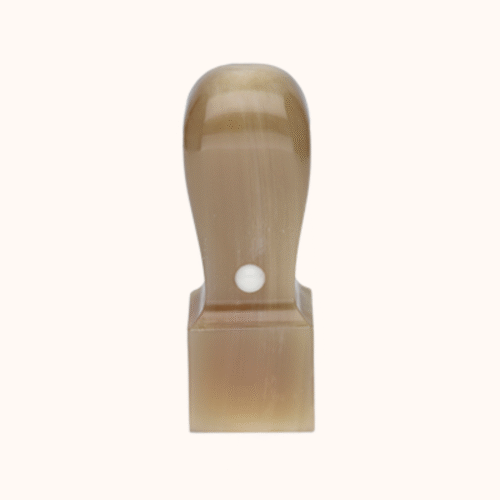
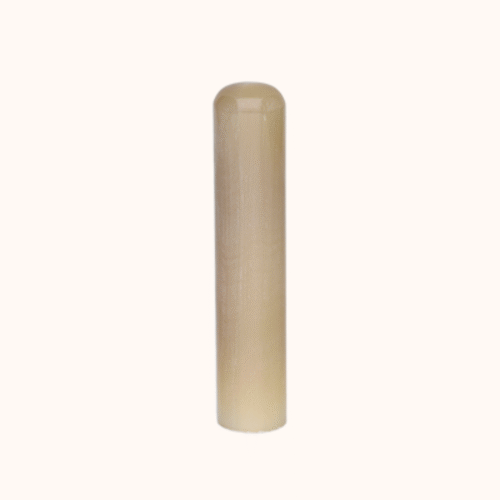
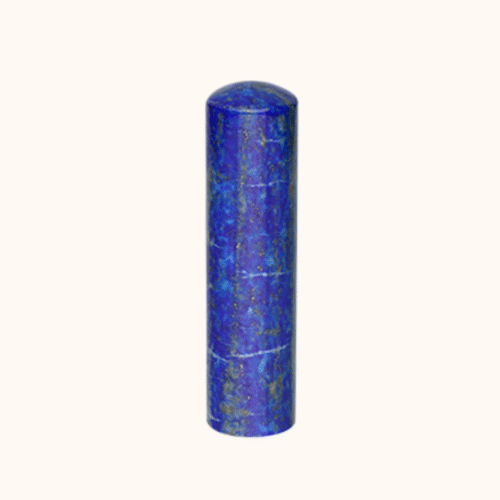
The right type for Tokyo daily life: An unregistered mitome-in (認め印) in 10.5mm or 12mm diameter covers all of the above. You do not need a registered seal (jitsuin) unless you are buying property or registering a vehicle — neither of which falls within the scope of a typical first-year Tokyo setup. A resin or eco-wood stamp in katakana (your name rendered in Japanese phonetic script) is the most practical and widely accepted choice. Romaji stamps are increasingly accepted in international contexts but remain less reliable in traditional settings like older-style real estate agencies or regional banks.
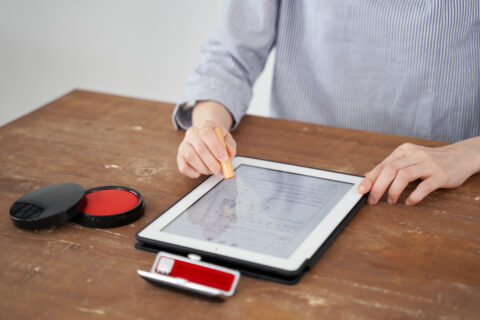
A note on digital hanko: Some employers and services in Tokyo now accept electronic signature platforms that include digital seal options. If your workplace uses tools like CloudSign or DocuSign with a Japanese seal option, a digital hanko may be sufficient for internal documents. For physical paperwork — leases, bank forms, city hall — a physical stamp remains the standard.
Common mistakes with hanko in Tokyo:
- Assuming you can pick up a personalised stamp at a convenience store. Generic stamps carry Japanese surnames only.
- Arriving for a lease signing without a hanko and discovering the landlord will not accept a substitute.
- Ordering a stamp that is too large for standard document fields — anything over 15mm causes practical problems.
- Choosing a decorative font that looks appealing but makes the name illegible on a small stamp impression.
Getting your hanko sorted before your first week of admin is one of the simplest ways to remove friction from Tokyo’s setup process. HankoHub offers English-language ordering with katakana rendering, size selection, and clear options — designed specifically for foreigners who want a practical result without navigating a Japanese-language service.
FAQ
Do I need to register my address immediately after arriving in Tokyo? Yes. You are required to register your address at your local ward office within fourteen days of establishing a fixed address. Bring your passport and residence card. The registration gives you an official address on your residence card, which you will need for almost every subsequent admin step — bank account, phone plan, employer paperwork.
Which Tokyo ward office should I go to? Whichever covers the area where you are living. Tokyo is divided into twenty-three special wards (区, ku), each with its own ward office. Look up the ward for your address — Shinjuku-ku, Minato-ku, Shibuya-ku, and so on — and visit that office. Google Maps will direct you to the nearest branch.
Can I open a bank account without a hanko? Increasingly, yes. Several banks and most digital-first services have removed the hanko requirement. However, Japan Post Bank branches vary, and some major city bank branches still include it in their process. Bringing a hanko to a bank appointment eliminates any uncertainty about which category you are dealing with.
Is Japanese language ability required for daily life in Tokyo? Not for basic survival, but it helps considerably for navigating admin. Most ward offices in central Tokyo have foreign resident support windows with staff who can assist in English, Chinese, or Korean. Real estate agencies and banks in foreigner-heavy areas often have bilingual staff. Learning hiragana and katakana before arrival — a task that takes most people two to three weeks — opens up a surprising amount of additional functionality in everyday life.
How long does it take to feel settled in Tokyo? Most foreigners report that the first month is the most intense — the admin, the neighbourhood learning, the commuting pattern. By month two or three, the city starts to feel navigable. By month six, most people have found their rhythms. Tokyo rewards patience and curiosity in roughly equal measure.
Next Steps
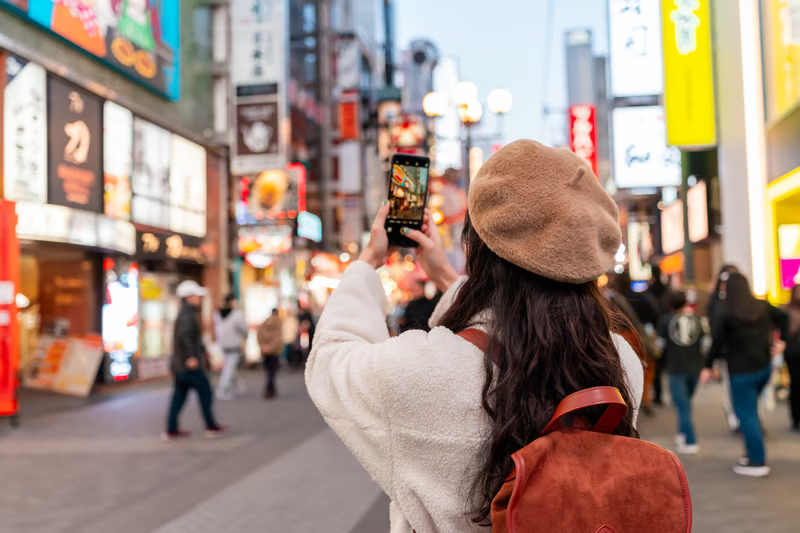
Tokyo’s setup process is front-loaded. The first few weeks are the busiest: ward registration, bank account, phone plan, lease paperwork, and employer onboarding all tend to cluster together. Getting each element in place in the right order — address first, then bank, then everything else — makes the sequence manageable.
A hanko is one of the small preparations that pays off across all of it. Get your first hanko from HankoHub — simple ordering in English, katakana or romaji rendering, and a stamp that will be ready before Tokyo’s paperwork asks for it.